I never take the privilege of CPD for granted. Having spent a week of learning I have been reflecting on key takeaways and themes despite the differences of each event.
· The Schools and Academies Show (SAAS), in person https://www.schoolsandacademiesshow.co.uk/saas-birmingham-2026
· Bright Start International Conference, BSF, hybrid delivery https://conferencebrightstartfoundation.org/programme
· Reconstructing Reading NLT, online https://literacytrust.org.uk/events/reconstructing-reading-2026/
The first aligns with frattempo governance community responsibilities and is valuable for keeping in sight some of the key DfE priorities and programmes. The second provided a global perspective on Early Years education and the third a global deep dive on some of the most recent and powerful reading research.
At SAAS sessions included the Regional Improvement for Standards in Education (RISE), Ofsted’s on-going preparatory research for MAT inspections, the DfE Digital Standards (by 2030), the SEND reforms and falling rolls.
All in their own way were stressing the weight we must give to (local) context, to the sharing of practitioner expertise, the significance of high challenge as much as high levels of support, and to addressing the Pareto effect- we must work smarter.
Just as Early Years education is finally attracting the attention it deserves, notably in 2026 Teacher Recognition Payments, Early Education Partnerships Funding, EYFS Safeguarding and Welfare Updates and Funding and Teaching Consultations, it clashes with the national (and global) fact of declining birth rates and falling rolls. We see an increase in restructuring processes and small school strategies as well as discussions around teacher training and recruitment, more sharing of resources across schools and conversations around curriculum breadth.
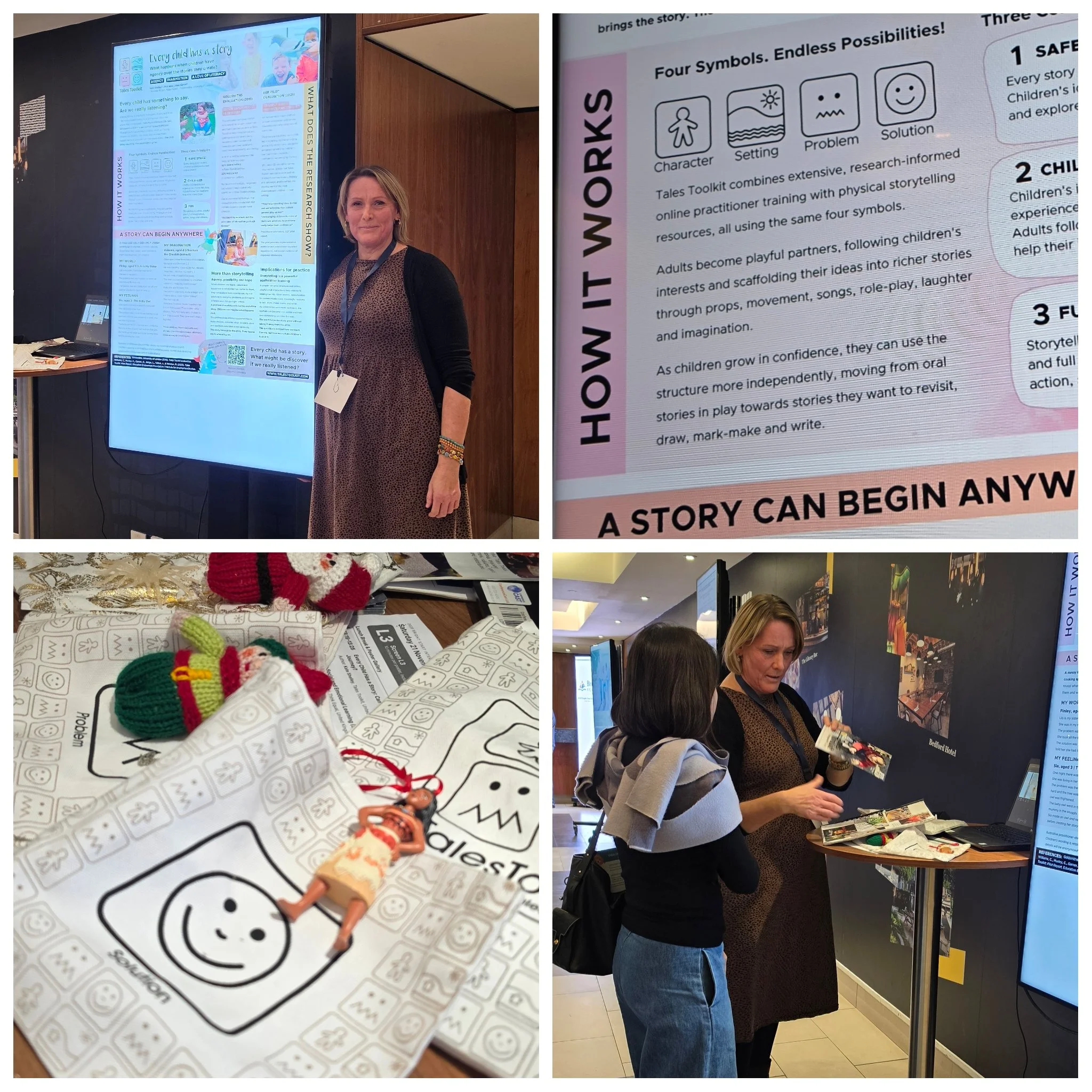
At Bright Start, the most powerful messages were around the impact of the changing environment on young children’s ability to learn, the critical role of storytelling. I’m delighted to be supporting Kate Shelley at Tales Toolkit https://www.talestoolkit.com/ on the learning magic of storytelling and to recall the power of digital storytelling in my own work at CUPA https://www.cambridgeinternational.org/programmes-and-qualifications/cambridge-early-years/ . Inextricably linked to story, rhythm, rhyme and pace are music and poetry which further provide predictability in an ever less predictable world. And finally, there are the children and their voices which can play a crucial role in shaping a system that works better with greater impact and less stress – ‘little voices, big messages’. The Act for Early Years Minifesto https://actforearlyyears.org/minifesto/ urges leaders to make big investment in the littlest children.
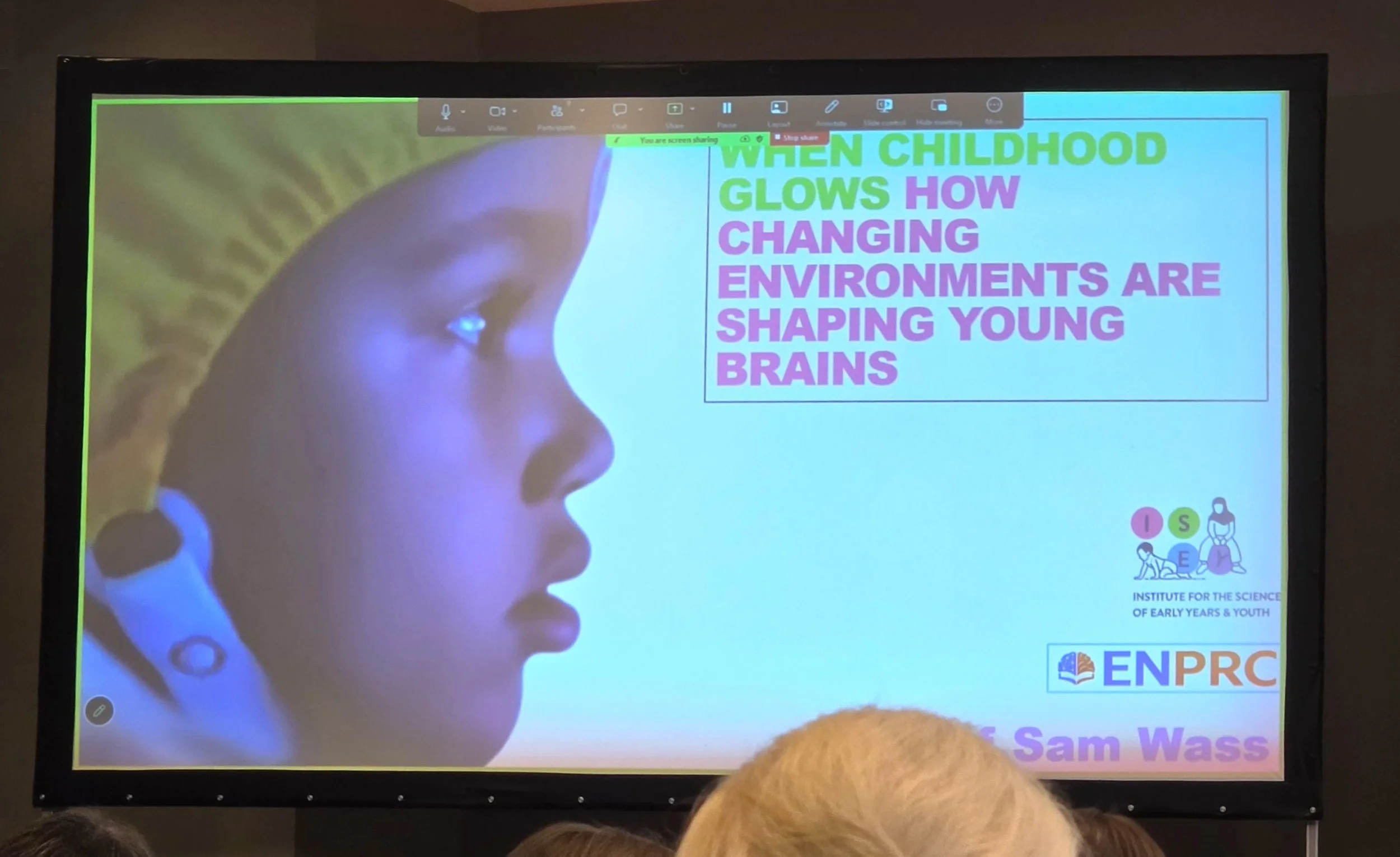
Sam Wass of ISEY based at UEL also spoke at the NLT Reconstructing Reading conference and provided the perfect segue from one to the other. Again, we heard about the significance of the environment and how to find connection and community for effective learning both inside and outside in the natural world. I can’t here do justice to the impressive research-evidenced presentations of both Sam Was and Usha Goswami who almost ‘dueted’ on the neuroscience and intricacies of the reading brain despite separate sessions. I first met Usha as a new publisher at Thomas Nelson over 30 years ago and here she is still relentlessly pursuing the untold mysteries of how we learn to read. Her work is powerful and awe-inspiring. As I write, there are further Reconstructing Reading sessions online for me to catch up on and if you can access the recordings from NLT, I would highly recommend.
Despite their different focuses, all three events highlighted a common message: in a period of significant social, demographic and educational change, sustainable improvement depends on understanding and working with context, valuing and sharing professional expertise, strengthening human connection and investing early in the environments, relationships and stories (in all senses of the word) that enable children to thrive.